
The Pearl of the Indian Ocean
For over two millennia, this tropical island has been the source of the world's most coveted spices. Ancient traders risked everything to reach these shores.
Today, we bring that same legendary quality directly to you.

The Spice Island
Where Legends Were Born
Sri Lanka, known historically as Ceylon, sits like an emerald jewel in the Indian Ocean. Its unique geography, tropical beaches rising to misty mountains, creates microclimates found nowhere else on Earth.
This diversity birthed a spice heritage unmatched anywhere in the world. From the cinnamon groves of the lowlands to the tea estates of the highlands, every region tells a different story of flavor.
The ancient Sinhalese called it "Serendib," the island of serendipity. For spice lovers, that serendipity continues today in every authentic Ceylon product.
Through the Ages
A Legacy of Ceylon Spices & Tea

500 BC
Ancient Trade Begins
Greek and Roman merchants discover Ceylon's aromatic treasures. Cinnamon becomes more valuable than gold, traded along the legendary Spice Routes.
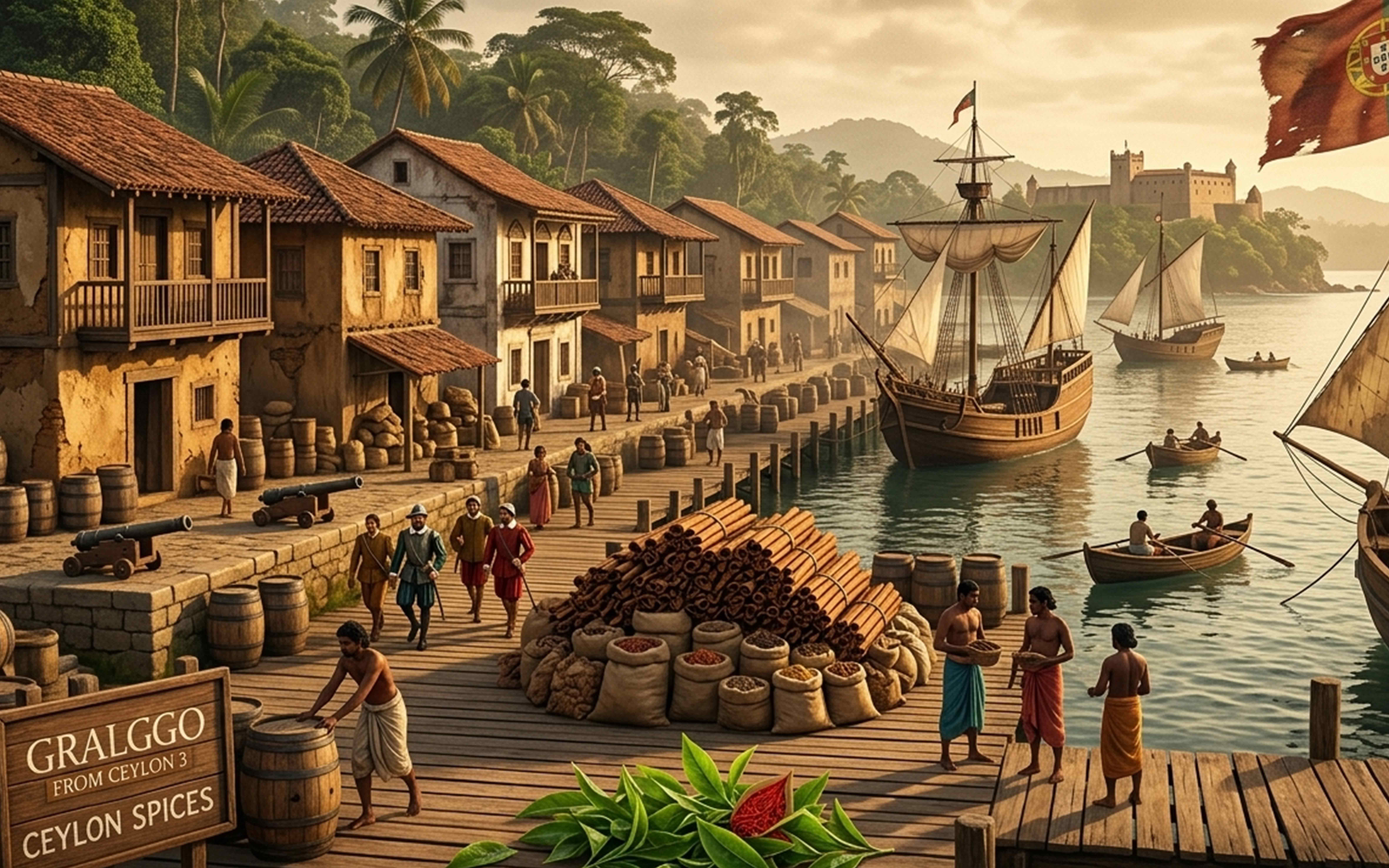
1505
Portuguese Arrival
The Portuguese establish the first European trade posts, drawn by the allure of Ceylon Cinnamon. The spice wars begin.
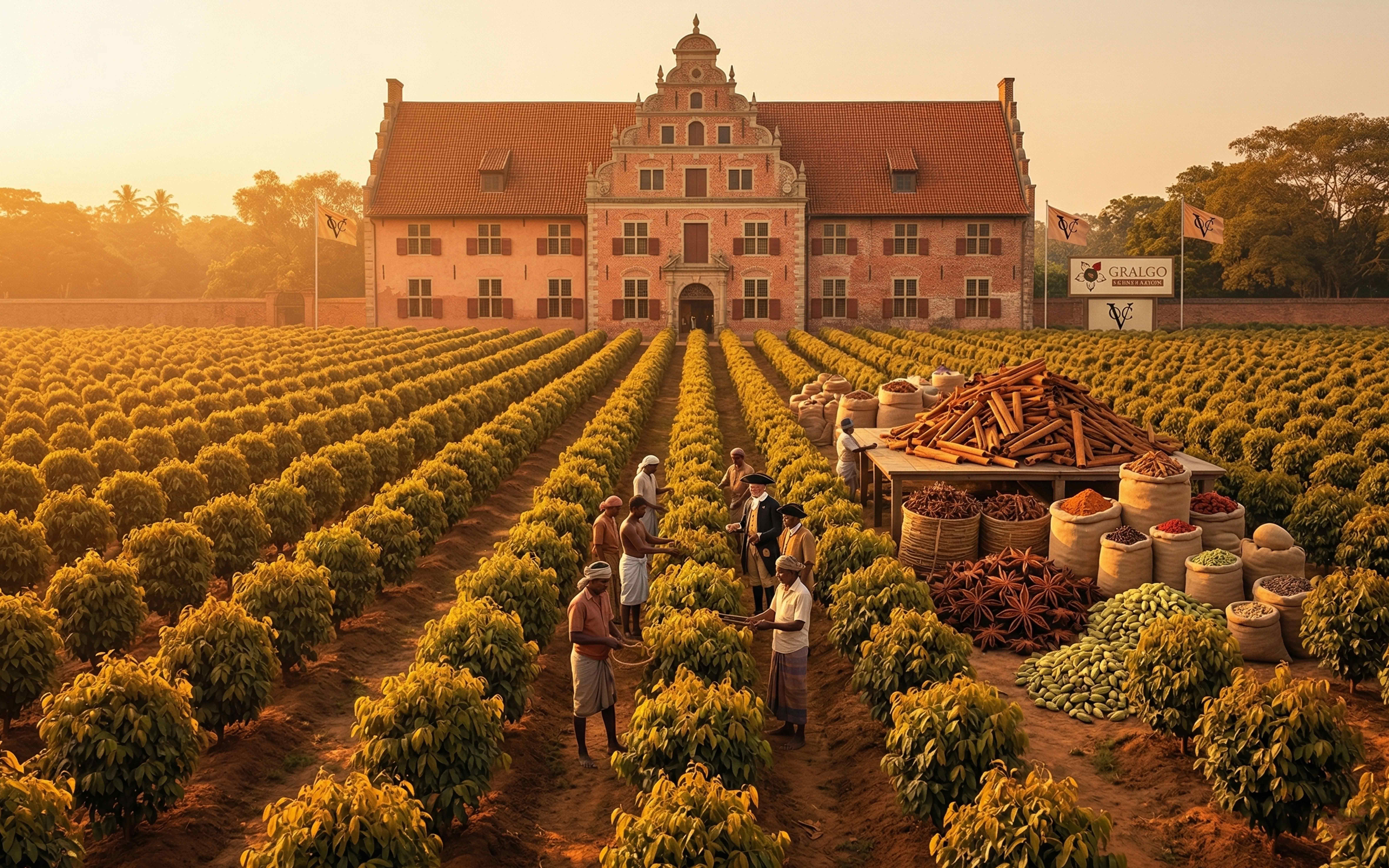
1658
Dutch Era
The Dutch East India Company takes control, systematically cultivating cinnamon gardens and establishing quality standards still referenced today.
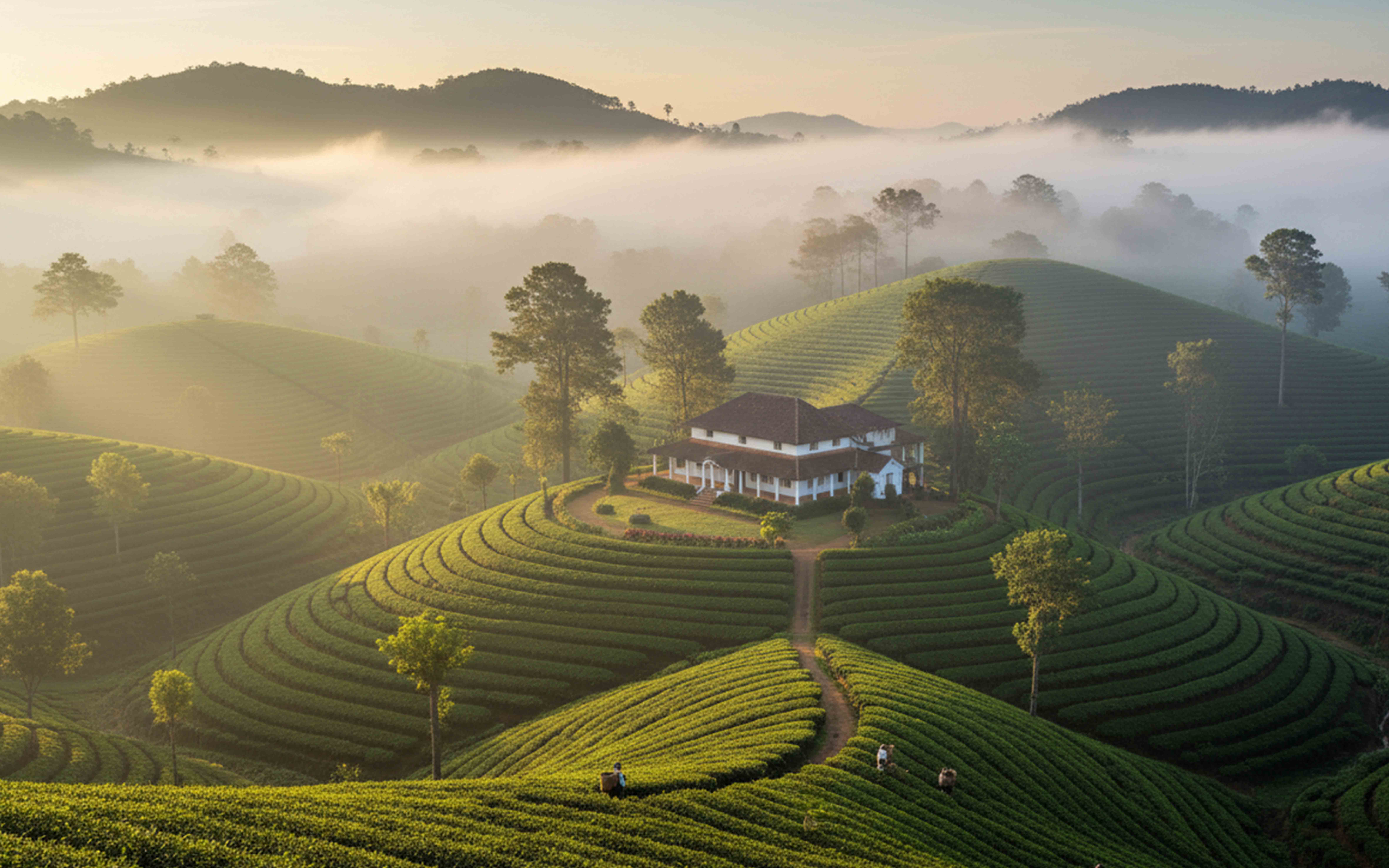
1796
British Era
British colonial rule expands spice cultivation to the highlands. Tea plantations are established in Nuwara Eliya at 6,000 feet elevation.
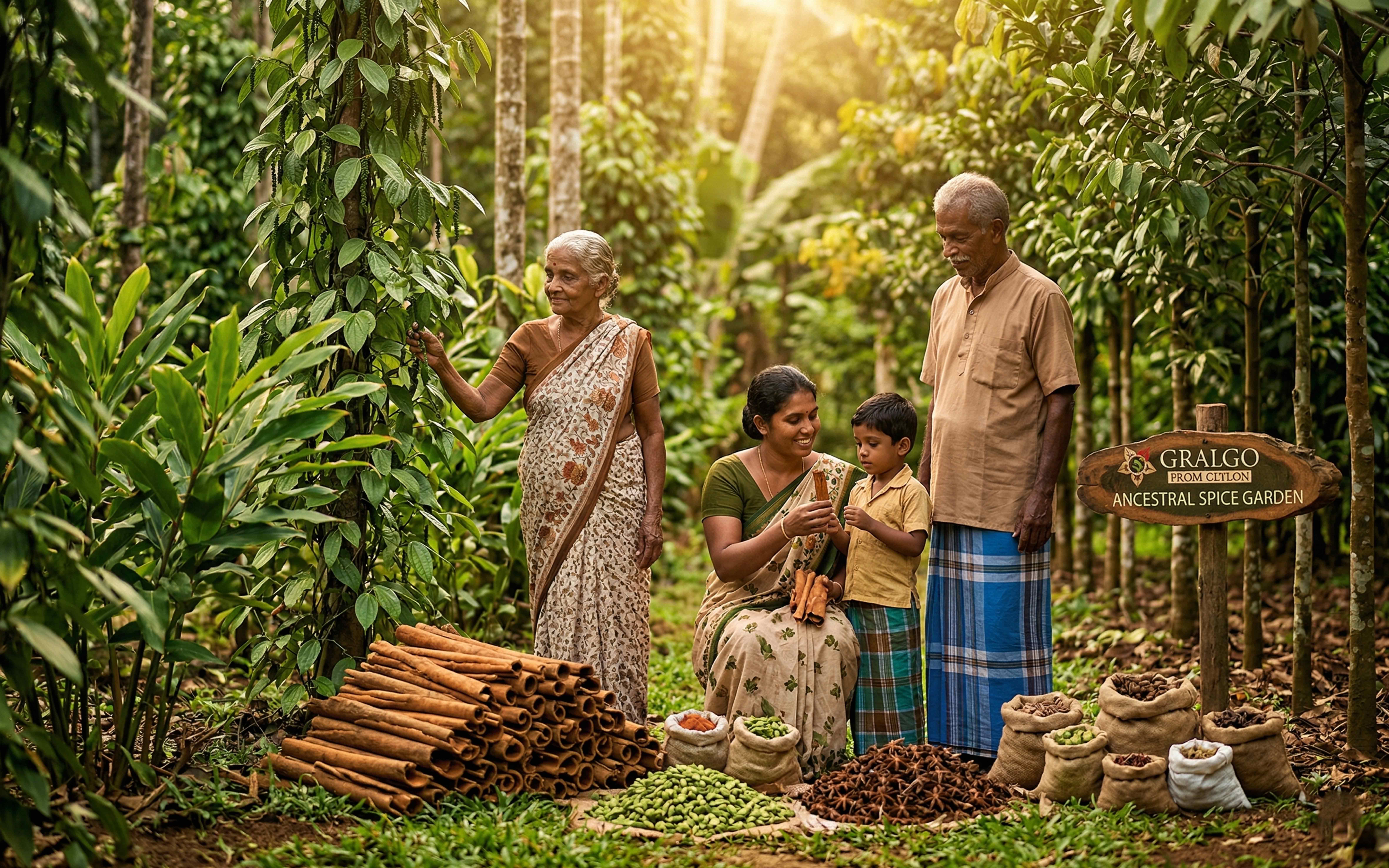
1948
Independence
Sri Lanka gains independence, and local farmers reclaim their ancestral spice gardens, preserving traditional cultivation methods.
Today
Global Recognition
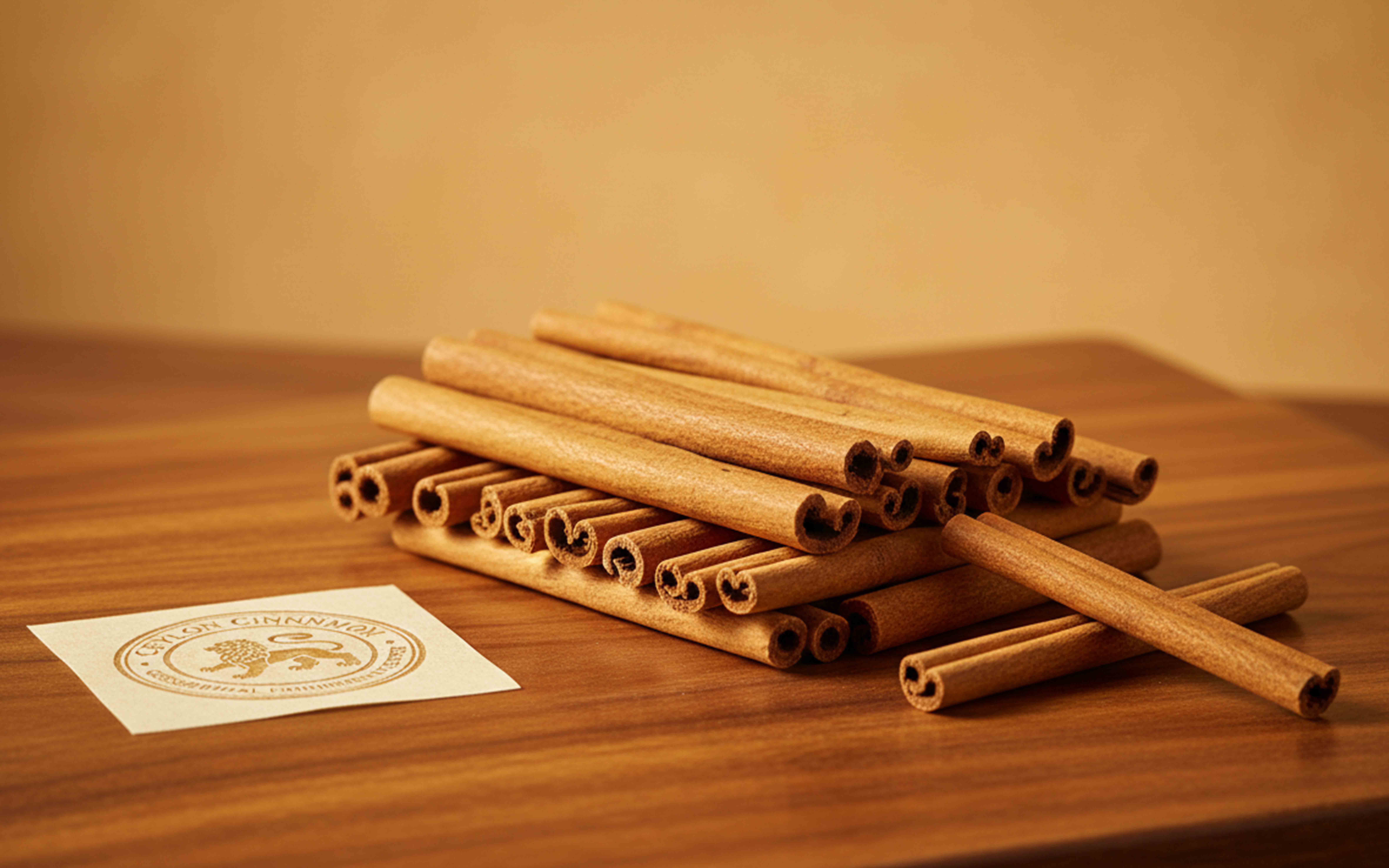
Ceylon spices are protected by geographical indication. True Ceylon Cinnamon is recognized worldwide as the authentic, superior variety.
Terroir & Tradition
Ceylon’s Growing Regions
Sri Lanka’s diverse elevations and climates shape the character of everything we produce from world-renowned teas to aromatic spices.
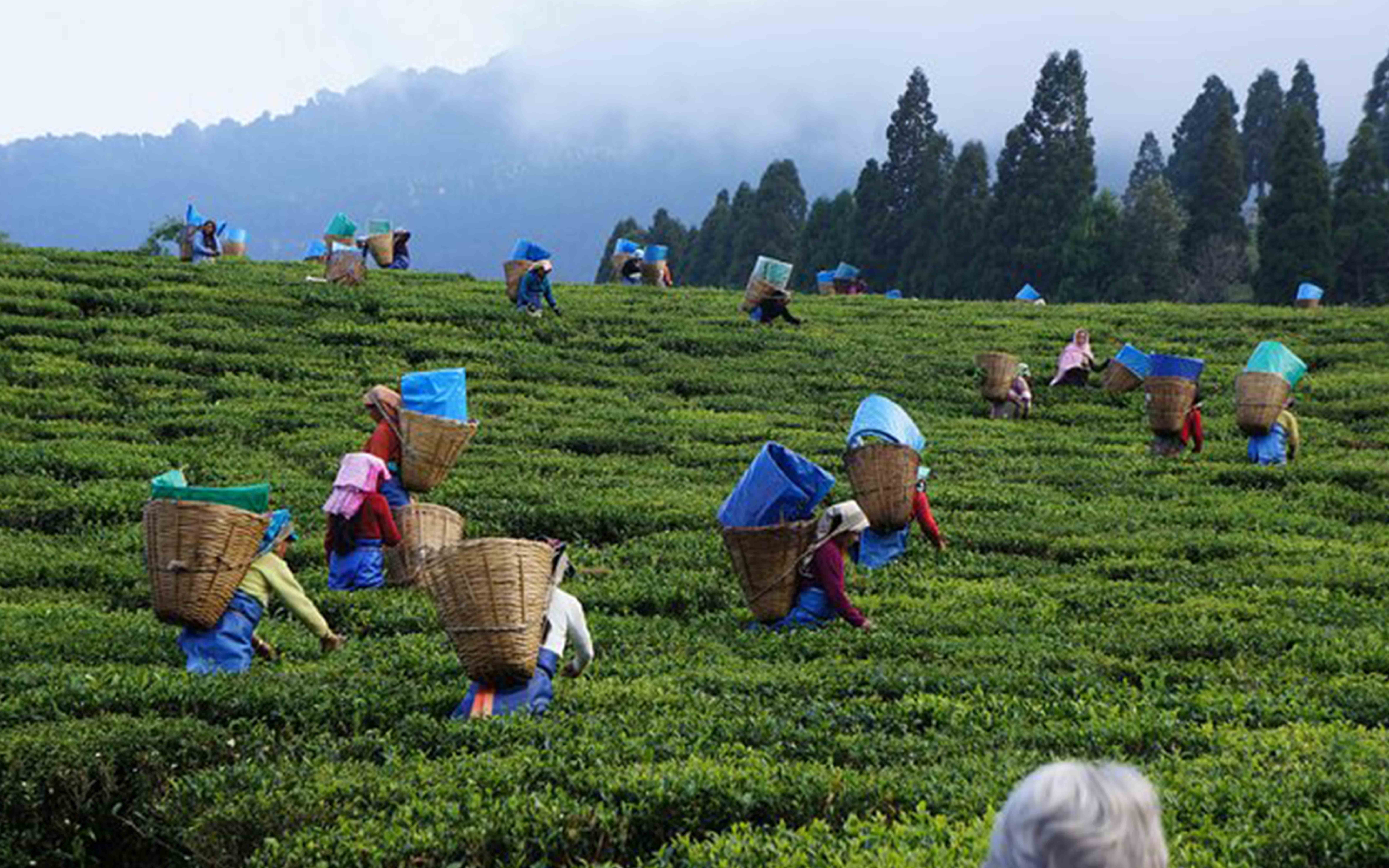
High-Grown (Elevated Regions)
Above 1,200m / 4,000 ft
Up Country
Cultivated in the island's cooler hill country, high-grown teas are prized for their light, bright liquor and refined flavour qualities long favoured in traditional British tea culture. Selected spices grown in these elevated regions also benefit from slower maturation, developing more nuanced aroma and depth.
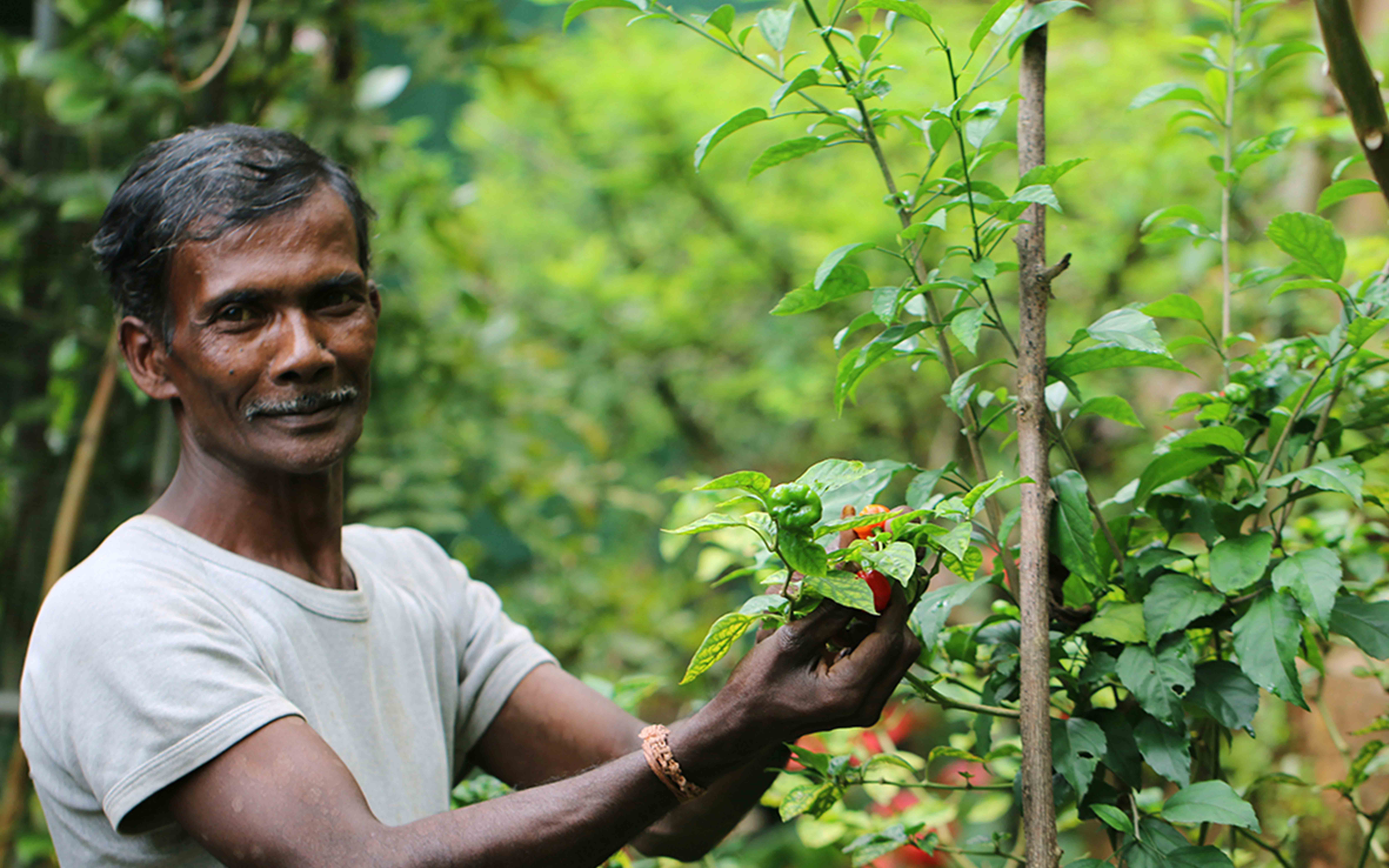
Mid-Grown (Balanced Terrain)
600m – 1,200m / 2,000 – 4,000 ft
Mid Country
Grown across rolling hills and intermediate climates, these regions produce teas with fuller body and rich colour, alongside a variety of spices with well-rounded, balanced profiles.
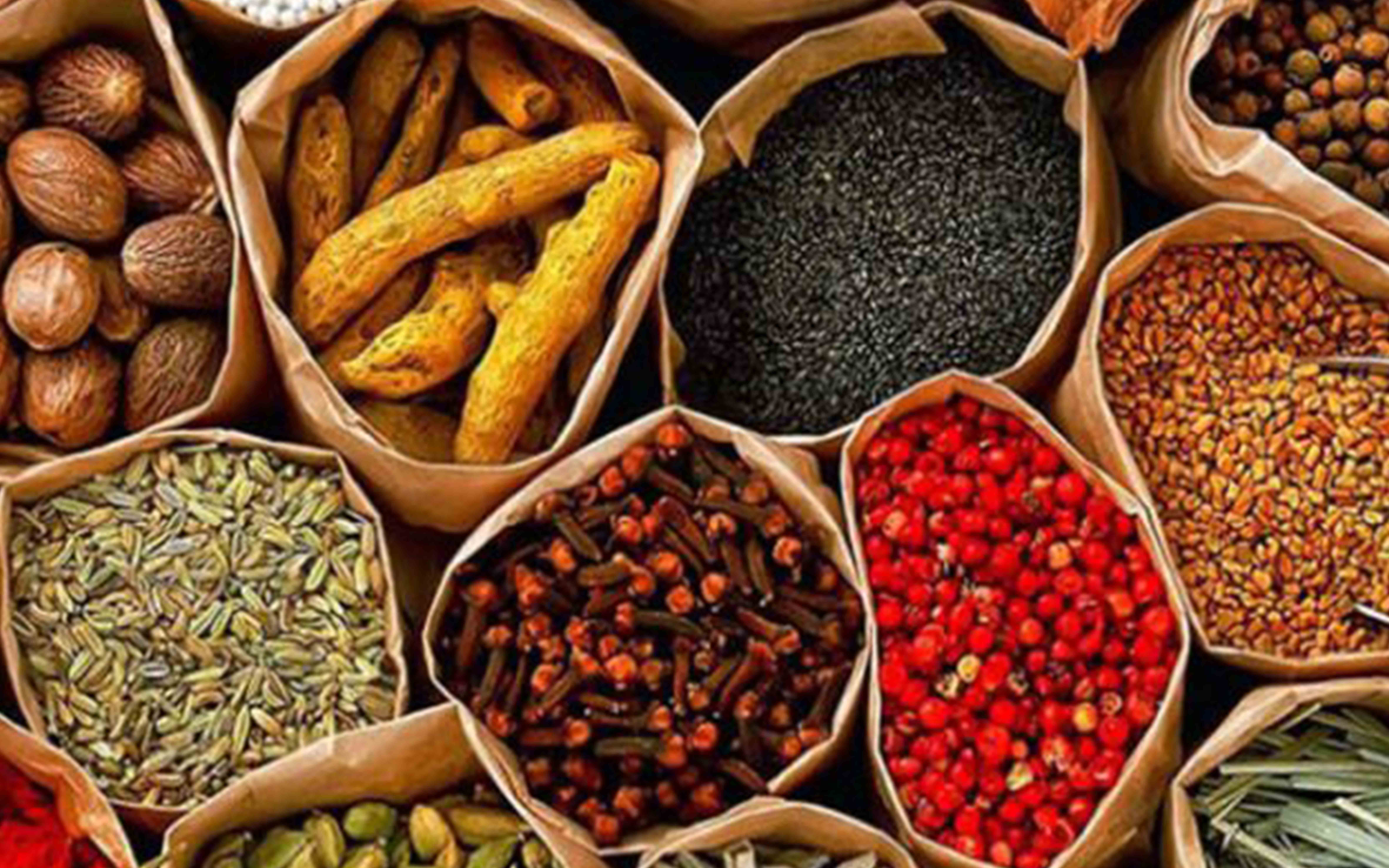
Low-Grown (Coastal & Southern Regions)
Below 600m / 2,000 ft
Low Country
In the warmer, humid lowlands, teas develop a stronger, bolder character with deep colour. This region is also home to Ceylon cinnamon, where the climate allows for its distinctive sweetness and delicate complexity.
Time-Honored Practices
The Art of Cultivation
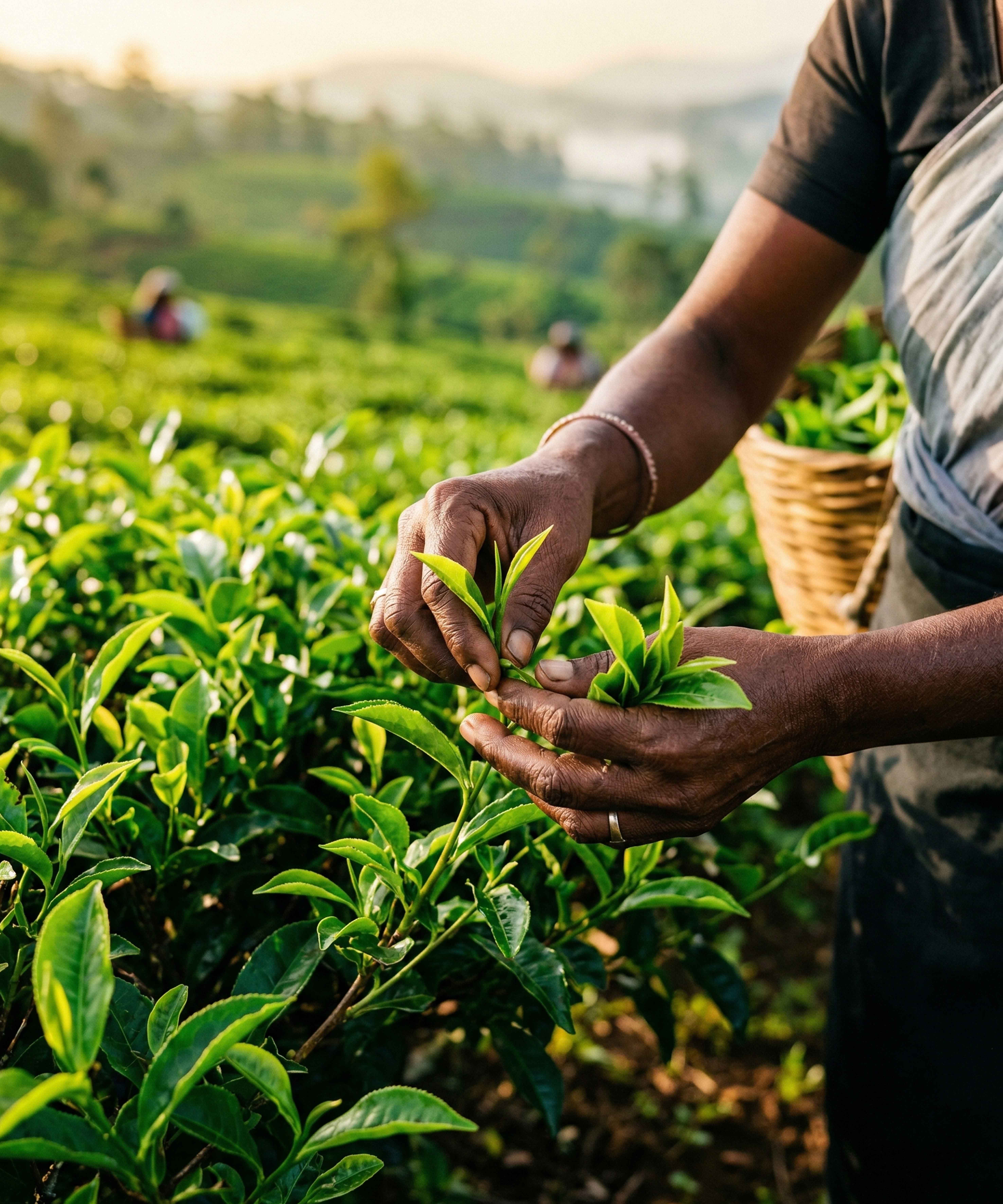
For generations, Sri Lankan farmers have perfected the art of spice cultivation. The methods passed down through families remain largely unchanged, because perfection needs no improvement.
Cinnamon is still hand-peeled by skilled craftsmen who can strip the delicate bark in a single motion. Pepper is sun-dried on traditional mats. Tea is hand-plucked, two leaves and a bud at a time.
These time-honored practices aren't just tradition, they're the reason Ceylon spices remain the world's benchmark for quality.
Living Heritage
Culture & Community
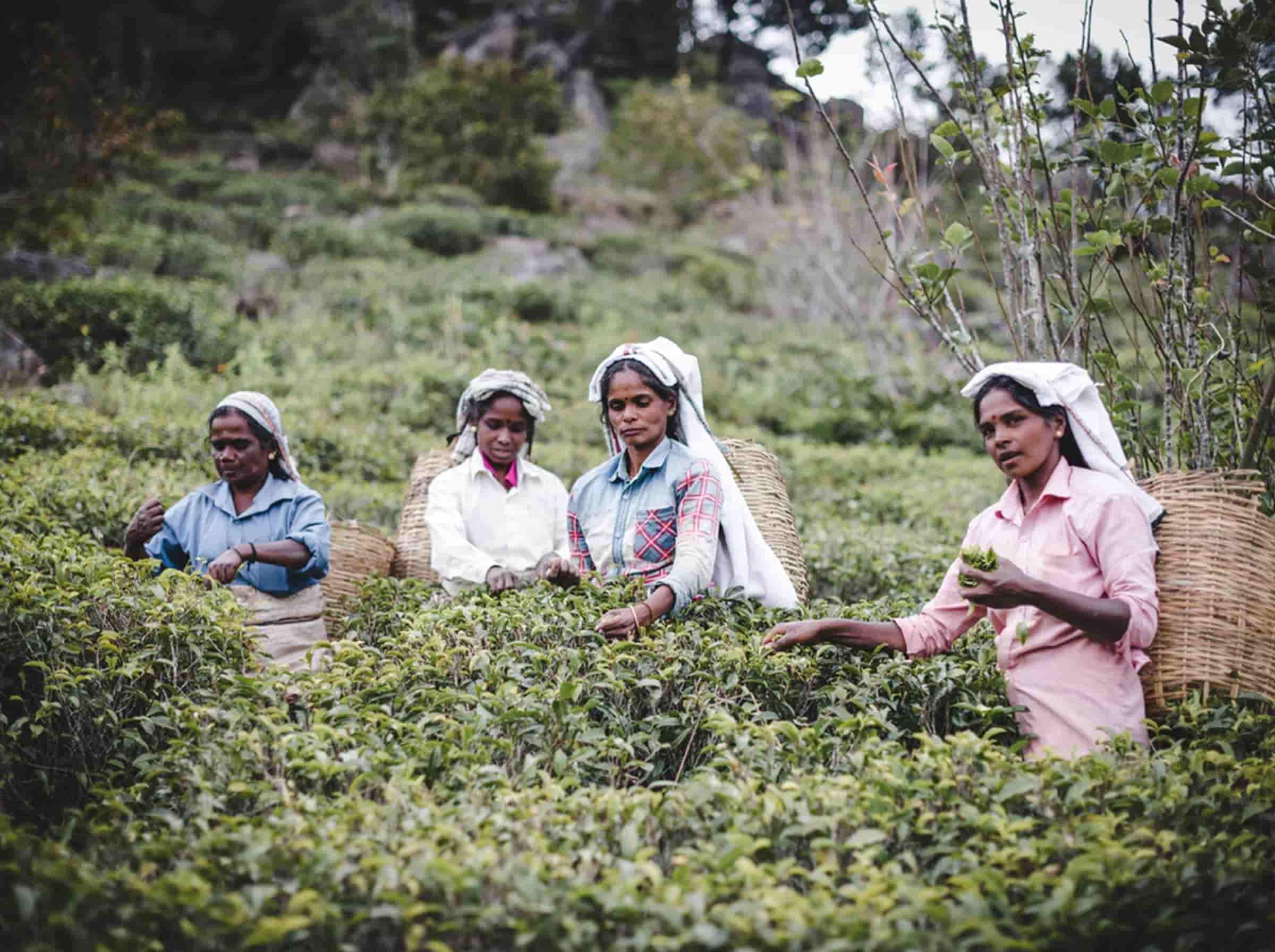
Behind every spice is a community of families who have tended these crops for generations. Their knowledge, passed from parent to child, is as valuable as the spices themselves.
When you choose authentic Ceylon spices, you're supporting these communities, farmers who take pride in their craft, who wake before dawn to tend their gardens, who celebrate each harvest as their ancestors did.
This is more than agriculture. It's a living heritage, and we're honored to share it with the world.
Taste the Authentic
Experience True Ceylon
Ready to taste the difference that 2,500 years of heritage makes? Explore our collection of authentic Ceylon spices.